About the Grant:
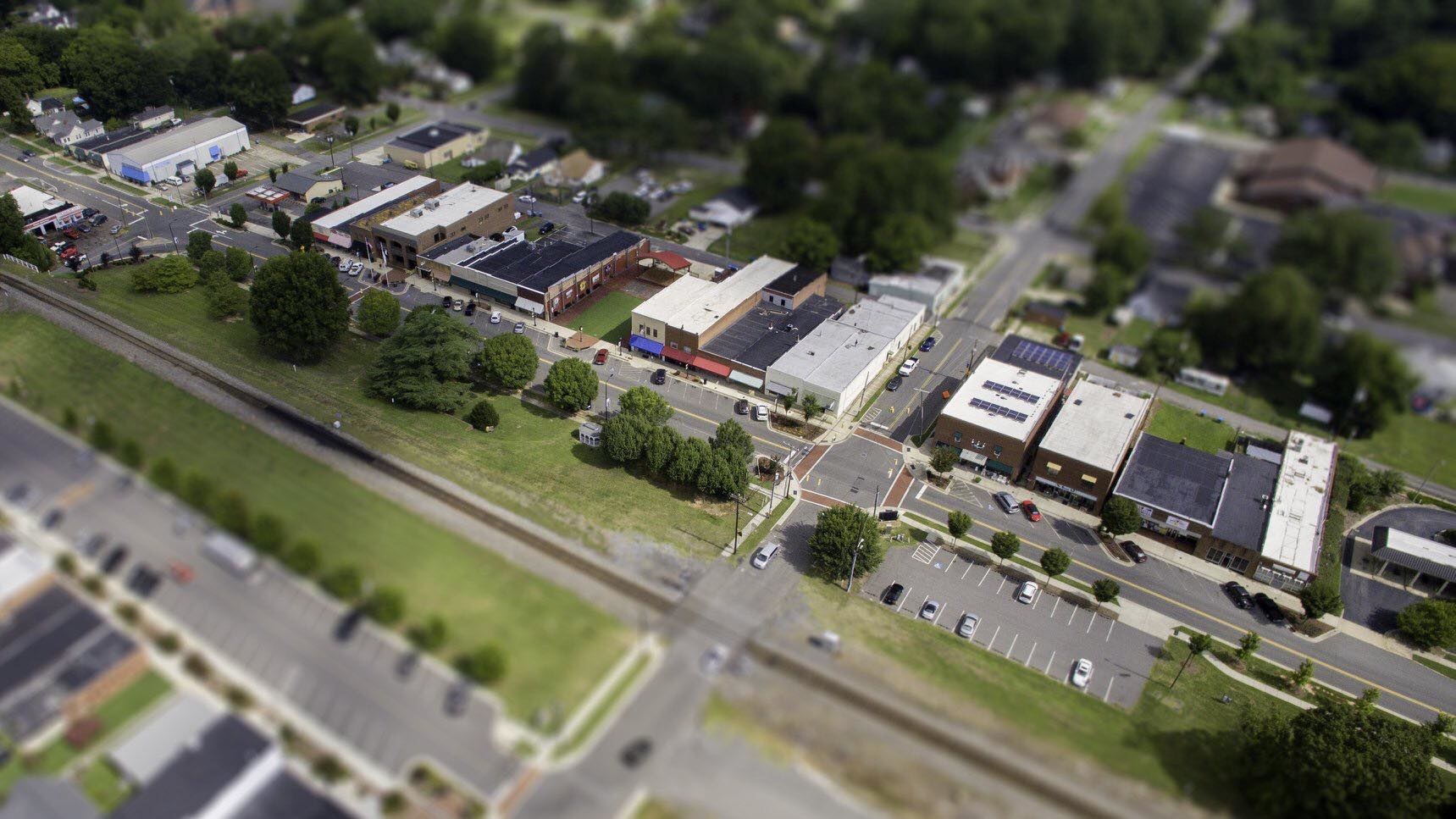
The U.S. Environmental Protection Agency has awarded Bessemer City a $500,000 Brownfields Assessment Grant to fund revitalization efforts aimed at improving quality of life opportunities. The grant, part of the EPA’s Brownfields Community-Wide Assessment program, will fund environmental assessments of properties in the Town.
With community input, Bessemer City and project partners will work with the EPA to identify, develop, and evaluate a list of potential brownfield sites for redevelopment into sources of job opportunities and other community resources.
The EPA Brownfields Assessment Grant program provides funding to inventory, characterize, assess, and conduct cleanup planning and community involvement-related activities, which help to boost local economies and create jobs.
If you have further questions, please contact Jamie Watkins, City Planner/Stormwater Administrator, at 704-729-6510 or jwatkins@bessemercity.com.
How Are Sites Assessed?:
A Phase I Site Assessment is conducted to gather information on the property’s previous and current use. Perform a visual inspection to identify any possible contamination or concerns to the local environment.
A Phase II Site Assessment is conducted to obtain samples from the property to determine if there is contamination and to what degree.
For more information, please view the following PDFs:
Environmental Steering Committee:
A citizen-led Environmental Steering Committee (ESC) will be initiated to aid in brownfield community outreach and ensure that community involvement with environmental issues are carried forward in future Bessemer City planning, including brownfield redevelopment. Applications for membership will open in February 2026.
Interested members can apply with the Bessemer City Brownfields Steering Committee Application Form.
Timeline:
Project Area
Community Meetings:
The kick-off community meeting for this project will take place on Tuesday, February 17th at 5:30 PM at the Allan Farris Community Center (220 S 14th St, Bessemer City, NC 28016).
What are brownfields?
Brownfields are properties that are or may be contaminated with hazardous substances, pollutants, petroleum or other contaminants that pose a barrier to productive reuse. Brownfields often are in struggling neighborhoods and areas with blight, deteriorated infrastructure, or other challenges. Brownfields may include public or private properties, green spaces, or parks in need of preservation.
What are the benefits of assessment?
Brownfield properties can have either real or perceived contamination, and some may need remediation due to the presence of a contaminant. The positive impact of brownfield grant funding for a community, of any size, can be significant. By taking unused or blighted properties and transforming them into new business opportunities, housing, or recreational areas, communities become renewed.
Why create a brownfield program?
Revitalizing brownfields provides new economic and social benefits to communities, in addition to improving environmental conditions. Reusing stagnant brownfield sites requires special attention. In communities with weak economic or market conditions, socioeconomic barriers, or other challenges, brownfields can remain idle for years. Still, a local community can take several actions even at the most challenging sites to best position brownfields for successful reuse.

